Sitting on Bali’s west coast near Tanah Lot, Kedungu Beach is a low-key black-sand bay wrapped in rice fields and village life. It is the kind of place people choose when they want sunsets, surf, and a slower pace without the full chaos of Canggu or Seminyak.
Getting to Kedungu Beach
You’ll find Kedungu Beach along Jalan Pantai Kedungu in the Tabanan Regency. From Ngurah Rai International Airport, expect about an hour’s drive depending on traffic. The beach sits perfectly positioned between Tanah Lot Temple (just 2-3 km away) and the emerging Cemagi area.
From popular Bali areas
Several routes will get you to Kedungu without much hassle:
- From Canggu: 15-20 minutes heading north through Cemagi
- From Seminyak: 35-45 minutes via coastal roads
- From Ubud: Around 1.5 hours through rice terraces and villages
- From Airport: 50-60 minutes depending on traffic conditions
Ride-hailing apps like Grab and Gojek work well here. A scooter from Canggu costs 20,000-30,000 IDR, while a car runs 50,000-80,000 IDR. Private drivers charge 200,000-300,000 IDR for airport pickups.
Renting a scooter gives you the most freedom to explore the area. Daily rentals run 50,000-70,000 IDR from shops in Canggu or Cemagi. The roads are straightforward, though watch for ceremony processions that can block routes without warning.
Beach access and parking
The entrance fee keeps things simple – 2,000 IDR for scooters, 5,000 IDR for cars. Money goes toward beach maintenance and local community projects. Park right near the beach access point where attendants direct you to available spots.
Parking fills up on Sundays when local families head to the beach, but weekdays stay manageable. The large parking area accommodates both cars and bikes, with warungs and toilet facilities nearby. Arrive before 10am during peak season to snag the best spots close to the beach path.
Access to the sand is easy compared to Bingin’s infamous stairs or Padang Padang’s narrow cave entrance. A gentle slope leads from the parking area straight to the beach – no climbing required.
What Makes Kedungu Special
The black volcanic sand sets Kedungu apart visually from Bali’s white-sand southern beaches. This dark sand stays cooler underfoot even during midday heat, though you’ll still want sandals for the walk down. The beach stretches wide, giving surfers, swimmers, and beach loungers plenty of room to spread out.
Timing your visit
Dry season from April to September brings the most reliable weather and consistent surf. May through July offers the sweet spot – great conditions without the peak-season crowds that hit in August. Mornings start calm with offshore winds, ideal for surf sessions before the breeze picks up.
The wet season from October through March sees fewer visitors and occasional afternoon showers. These months bring the seasonal waterfall near the cliffs to life – a small cascade that appears after heavy rains and adds to the beach’s natural charm.
Sundays bring local families and can get lively, while Tuesday through Thursday stay quieter. If you’re after solitude, aim for weekday mornings outside Indonesian holidays.
Beach facilities
Kedungu keeps things simple and functional. Multiple warungs line the beach serving Indonesian food, fresh coconuts, and cold drinks. Prices stay reasonable – expect 30,000-60,000 IDR for a meal, 15,000-20,000 IDR for fresh juice or coconut.
Basic facilities include:
- Public toilets and changing areas (cleanliness varies)
- Outdoor showers for rinsing off saltwater
- Surfboard rental shops with daily rates
- Beach chair and umbrella rentals
- Small convenience stalls for snacks and water
The facilities aren’t fancy, but they work. Bring your own towel and any specific items you’ll need for the day. Some warungs offer shade and seating, charging a small fee if you’re not ordering food.
Surfing Kedungu
Three distinct breaks work at Kedungu, making it versatile for different skill levels and swell directions. The main break offers both left and right handers, while the left side features a longer left that holds better shape on bigger swells.
The waves here have a reputation for looking more intimidating than they actually are. They’re generally mellow and forgiving, perfect for beginners when conditions stay small. When solid swells arrive, intermediate and advanced surfers find plenty of push and performance sections to work with.
Wave characteristics
The main break sits about 50-100 meters from shore over a sandy bottom with scattered rocks. It works on various tide levels, though mid-tide typically provides the best shape. Low tide exposes more rocks and requires local knowledge to navigate safely.
Both reef and beach break sections offer variety. The left-hander provides longer rides up to 100 meters when conditions align. Rights tend toward shorter, punchier waves that work well for practicing maneuvers.
Best surf conditions
April through October delivers the most consistent surf during Bali’s dry season. Southwest swells combine with light offshore morning winds from the east. The wave stays surfable year-round, though the wet season brings more variable conditions.
Optimal setup includes:
- Southwest to west swell direction
- 3-6 foot faces for most ability levels
- Mid to high tide for safer sessions
- Morning offshore winds (6am-10am typically)
- Clear skies for reading the ocean better
Watch for rocks and reef sections during low tide sessions. Locals know the safe channels – don’t hesitate to ask before paddling out. The crowd stays manageable compared to Canggu’s main breaks, maintaining a friendly lineup atmosphere.
Surf rentals and lessons
Several local surf schools operate from the beach and nearby warungs. Soft-top boards rent for 50,000-100,000 IDR per session (2-3 hours). Fiberglass shortboards and longboards run 100,000-150,000 IDR. Daily rates offer better value at 150,000-200,000 IDR.
Surf lessons from local instructors cost 300,000-450,000 IDR for 2-hour sessions including board rental. Private lessons run 500,000-700,000 IDR. The instructors know the breaks intimately and prioritize safety while teaching proper technique.
Popular local surf operations include:
- Kedungu Surf School (beachfront location)
- Local warung-based instructors (ask at major warungs)
- Mobile instructors (book through accommodation)
Beginners should start on the main break when waves stay waist-high or smaller. The sandy bottom and mellow reform waves create an ideal learning environment. More experienced surfers can explore the left peak or wait for bigger swells to light up the reef sections.
Where to Stay Near Kedungu Beach
Kedungu Beach Accommodation ranges from simple guesthouses to luxury villas with rice field views. The area hasn’t been overdeveloped yet, meaning you’ll find authentic Balinese atmosphere with modern comforts where they matter.
Most properties sit within 5-10 minutes from the beach by scooter. The Cemagi area offers the closest options, while Canggu provides more variety just 15-20 minutes away.
Nearby accommodation options
Beachside and Cemagi Area: Staying close to Kedungu puts you steps from the surf and away from Canggu’s noise. Several new boutique properties have opened recently with pool facilities and contemporary Balinese design. Curve Villas Boutique Resort sits walking distance from the beach and delivers high-end comfort.
Budget-Friendly Choices: Local homestays and guesthouses in Belalang Village offer authentic experiences at 200,000-400,000 IDR per night. These family-run spots include breakfast and give insight into daily Balinese life. Facilities are basic but clean, with fan rooms and shared spaces.
Mid-Range Properties: Boutique hotels and guesthouses in Cemagi run 600,000-1,200,000 IDR per night. Expect air conditioning, hot water, pools, and some include breakfast. Properties like these balance comfort with proximity to both Kedungu and Canggu.
Luxury Villas: Private villas near Kedungu feature infinity pools, full kitchens, and rice field or ocean views. Prices start around 2,000,000 IDR per night and climb from there. Many include daily housekeeping and can arrange private chefs or drivers.
Choosing your base
Your ideal location depends on priorities:
Surf-Focused: Stay in Cemagi or near Kedungu Beach for immediate surf access and quiet evenings. Trade nightlife for uncrowded waves and authentic local atmosphere.
Social Scene: Base yourself in Canggu for restaurants, cafes, and nightlife, using Kedungu as a day-trip escape. The 15-minute ride lets you enjoy both worlds.
Culture and Nature: Properties inland toward Tanah Lot offer rice field views, temple proximity, and traditional village life. Slightly further from the beach but deeply Balinese.
Families appreciate the spacious beaches and calmer Kedungu vibe compared to party-heavy Canggu. Solo travelers often prefer Canggu’s social scene with Kedungu as a regular escape. Couples find the romantic sunsets and quieter atmosphere perfect for quality time.
Food and Dining Around Kedungu
The dining scene around Kedungu stays refreshingly local with a few upscale additions. You won’t find the endless cafe rows of Canggu, but what’s here offers quality and authenticity.
Beachfront warungs
Traditional warungs operate directly on the beach, serving Indonesian classics and fresh seafood. These casual spots let you eat with your feet in the sand while watching surfers catch waves. Cash only at most beach warungs.
Popular beach options serve nasi goreng, mie goreng, gado-gado, and fresh grilled fish. Expect 35,000-70,000 IDR for meals, 15,000-25,000 IDR for drinks. The atmosphere stays unpretentious – plastic chairs, simple tables, cold beers, and good vibes.
Nearby restaurants and cafes
Just off the beach and in Cemagi, several spots elevate the dining experience:
Downtown Kedungu brings upscale Latin fusion cuisine with carefully crafted cocktails. The dinner menu impresses with flavors you don’t expect to find this far from Canggu’s main strip. Reservations help during peak season.
Tipsy Pigs Bali serves American and Australian favorites near the beach access. Think burgers, ribs, loaded fries, and craft beers. The outdoor seating creates a social atmosphere perfect for post-surf refueling.
Halo Kedungu delivers authentic Chinese food for those craving something beyond Indonesian cuisine. The family-run operation focuses on traditional recipes executed well.
Coffee and breakfast spots
The area has embraced Bali’s cafe culture without overdoing it. Several quality coffee shops serve proper espresso drinks and healthy breakfast bowls. Prices match Canggu’s cafe scene at 45,000-85,000 IDR for breakfast, 35,000-60,000 IDR for coffee drinks.
Local warungs also serve traditional Indonesian breakfast – nasi campur, bubur ayam, or pisang goreng with strong black kopi. These early morning spots fill with locals and cost 20,000-40,000 IDR for a filling meal.
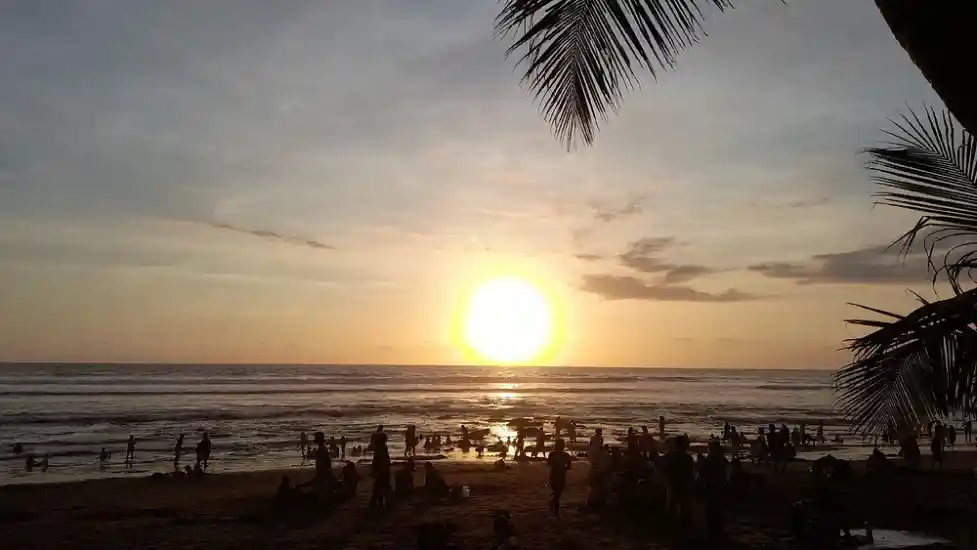
Sunset at Kedungu means grabbing a spot on the beach with a cold drink and watching the sky turn orange and purple over the ocean. Some warungs set up tables directly on the sand as evening approaches, creating an informal sunset viewing party atmosphere.
Practical Tips for Visiting
A few things help make your Kedungu experience smoother and more enjoyable.
Best Time to Visit: April through September for dry weather and consistent surf. May and June specifically offer ideal conditions with smaller crowds. October through March brings occasional rain but also means fewer people and the seasonal waterfall.
What to Bring:
- Reef-safe sunscreen (Bali’s marine protection laws prohibit harmful chemicals)
- Cash in smaller bills (many vendors don’t have change for 100,000 notes)
- Reusable water bottle (reduce plastic waste)
- Light sarong or cover-up (sun protection and temple visits)
- Basic first aid supplies (nearest pharmacy in Canggu)
Safety Considerations: The ocean here deserves respect. Currents can strengthen unexpectedly, and the rocky sections at low tide pose risks. If you’re not a confident swimmer, stay in shallow areas. Lifeguards don’t patrol this beach, so you’re responsible for your own safety.
Watch your belongings on the beach. Petty theft isn’t common but happens. Don’t leave valuables unattended, and consider leaving expensive items at your accommodation. The small beach warungs often let customers store bags behind the counter.
Local Etiquette: Balinese people value respectful behavior. Avoid loud, aggressive behavior or public arguments. When greeting locals, a smile and “selamat pagi” (good morning) goes far. If invited to someone’s home, remove your shoes before entering.
The beach sees less development pressure because locals want to maintain its character. As a visitor, you can help by:
- Taking your trash with you (limited bins available)
- Supporting local warungs over chains
- Respecting ceremony processions and temple areas
- Learning basic Indonesian phrases
- Being patient with basic facilities
Money and Costs: Bring cash as cards aren’t widely accepted. The nearest ATMs are in Cemagi or Canggu. Daily budget for beach activities, meals, and transport runs 200,000-400,000 IDR for budget travelers, 500,000-800,000 IDR for mid-range comfort.
Getting Around the Area
Most visitors rely on scooters for transport around Kedungu and to neighboring areas. Roads stay in decent condition, though the access road to the beach can get rough after heavy rains.
Grab and Gojek work in the area but availability varies. Response times run longer than in Canggu or Seminyak. If you’re planning multiple trips, consider renting a scooter for 50,000-70,000 IDR per day from Canggu rental shops.
Taxis don’t typically cruise the area waiting for fares. You’ll need to arrange pick-ups ahead of time or use ride-hailing apps. Private drivers charge 300,000-500,000 IDR for half-day tours around the region.
Walking between the beach and nearby accommodations works if you’re staying close, but the heat and lack of sidewalks make it less pleasant than riding. The sunset walk along the beach itself offers beautiful views – just watch the tide to avoid getting cut off by rising water.
Kedungu Beach Frequently Asked Questions
Is Kedungu worth visiting?
Yes, Kedungu is definitely worth visiting, especially if you’re looking for a quieter and more natural beach experience in Bali. The area offers a peaceful atmosphere, beautiful rice fields, and wide-open coastal views perfect for unwinding. Many travelers appreciate Kedungu Beach for its relaxed vibe and scenic sunsets.
Is Kedungu Beach safe for swimming?
Kedungu Beach is generally safe for swimming, but caution is still advised due to occasional strong waves and currents. The beach has calmer areas during low tide, making it more suitable for casual swimmers. Always check local conditions and look for other beachgoers in the water before swimming.
What are the Kedungu Beach entrance fees?
There is typically a small entrance or parking fee when visiting Kedungu Beach Bali, usually ranging from 5,000 to 10,000 IDR. These fees help support local maintenance of the beach area. Prices may vary slightly depending on the season and the type of vehicle you bring.
How crowded is Kedungu Beach?
Kedungu is known for being far less crowded than other beaches in Bali, making it a great escape from the busier tourist hotspots. You’ll find plenty of open space to relax, surf, or enjoy the views without feeling overwhelmed. Even during peak afternoons, the beach still maintains a laid-back and unspoiled atmosphere.
What is Kedungu Beach known for?
Kedungu is known for its scenic black sand, gentle waves, and stunning sunsets. The beach is also popular among surfers and families who enjoy its wider, more open layout compared to other coastal spots. Visitors also appreciate the peaceful surroundings and the slower pace of life in the area.
Is Kedungu Beach suitable for beginners?
Yes, Kedungu is a good option for beginner surfers thanks to its softer, rolling waves in certain conditions. There are local surf schools nearby that offer lessons specifically for newcomers. For families, the flat and spacious shoreline also makes it easy for kids to play safely on the sand.
How does Kedungu compare to Canggu?
Kedungu is much quieter and more laid-back than Canggu, making it ideal for those who want to avoid crowds. While Canggu is known for its bustling cafes, nightlife, and busy surf scene, Kedungu offers a more relaxed and natural experience. Many people choose Kedungu for its peaceful charm, while still being close enough to Canggu’s amenities, especially when staying in places like a Kedungu Beach villa or similar retreats.